
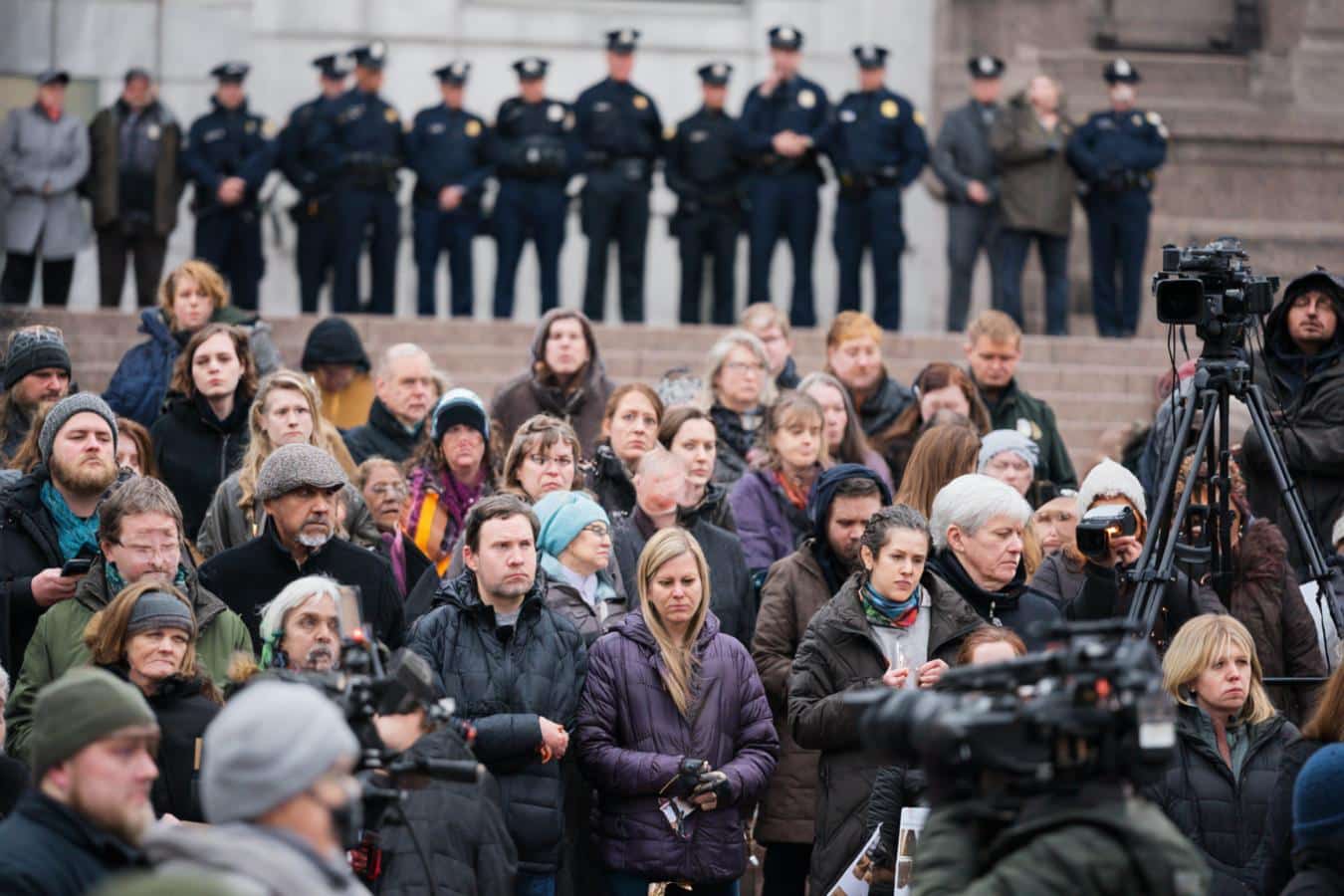
Tension is rising across Minnesota as prosecutors widen a federal probe tied to immigration enforcement and street demonstrations. Requests for records, issued as federal subpoenas, have landed on Democratic officials from city and state offices statewide, and Minnesota leadership is weighing how far cooperation should go.
Anger surged after Renee Good, described as an unarmed mother, was killed during an enforcement encounter, prompting marches in Minneapolis and calls for accountability. The case now sits inside a Justice Department inquiry focused on protest activity linked directly to the ICE agent shooting, and lawyers warn that rights could be tested. Period.
Who was subpoenaed and what prosecutors want
Federal prosecutors delivered subpoenas Tuesday to the offices of Gov. Tim Walz, Minneapolis Mayor Jacob Frey, and St. Paul Mayor Kaohly Her. It included document production requests on Minnesota’s immigration stance and communications with federal agents, officials said.
Subpoenas also reached Attorney General Keith Ellison and Hennepin County Attorney Mary Moriarty, expanding a federal inquiry into protest coordination. Prosecutors asked for gubernatorial office records that map contacts with ICE and guidance sent to local agencies. They want city policy memos on limits, and are weighing claims of interference.
How the ICE shooting of Renee Good ignited protests in Minneapolis
Renee Good, an unarmed mother of three, was shot and killed in Minneapolis this month by an ICE agent. Within days, street demonstrations across Minneapolis swelled as neighbors demanded transparency and mourned the 37-year-old’s death outside the downtown field office and precinct.
Mayor Jacob Frey blasted the raid, telling agents to leave, while Gov. Walz urged residents to monitor federal activity. That message sharpened community outrage and drew clergy, union leaders, and families into nightly marches. Organizers billed them as police accountability rallies as officials weighed charges against agent Jonathan Ross; prosecutors filed a handful of protest-related charges.
Free speech, interference claims and the First Amendment line
Federal subpoenas have pushed Minnesota leaders to justify what they said during clashes with ICE in Minneapolis and St. Paul. Prosecutors are weighing whether remarks became political speech scrutiny or edged toward obstruction of federal officers during operations.
Deputy Attorney General Todd Blanche called Gov. Tim Walz and Mayor Jacob Frey “terrorism,” a phrase that widened the dispute. Lawyers say courts separate incitement vs advocacy, and that First Amendment protections rarely vanish because officials criticize enforcement at late-night rallies.
Resignations and staff shortages at the Minneapolis U.S. attorney’s office
Inside the Minneapolis U.S. attorney’s office, the fallout has been immediate after leadership signaled it would not charge the agent who killed 37-year-old Renee Good. The prosecutor resignations reached six lawyers last week, including Joseph H. Thompson, the No. 2 official who handled protest files.
Managers have struggled to replace them, and colleagues describe strained meetings after Trump-era buyouts and directives many lawyers rejected. That staffing shortfall has fed internal dissent over a criminal probe into the victim rather than the shooter.
Outside prosecutors arrive from neighboring states to pursue protest cases
Over the weekend, Attorney General Pam Bondi urged U.S. attorneys across the Midwest to loan staff to Minnesota, reinforcing federal work tied to clashes around ICE operations. That call triggered interagency deployments, bringing prosecutors and agents into Minneapolis while the department pursues a small number of protest-related charges filed since the unrest.
People familiar with the staffing say ten federal prosecutors from Michigan were temporarily detailed to the state, with more expected in coming weeks. Internal messages describe cross-state assignments pulling staff from Michigan, South Dakota, North Dakota, Iowa, Nebraska, and Wisconsin to bolster protest case prosecutions, after senior departures left the Minneapolis U.S. attorney’s office short again.